


sponsored
Lessons in Scaling and Failing
The challenges of scaling up programs aimed at empowering adolescent girls in Bangladesh and Uganda.
The challenges of scaling up programs aimed at empowering adolescent girls in Bangladesh and Uganda.

In campaigns to promote human rights, messages that highlight the experience of specific victims tend to be most effective.

For students who attended one high-profile charter school, going there has resulted in lasting benefits—academically and otherwise.

A study of producer organizations in Uganda highlights the role of reciprocity as a motivating force among members.
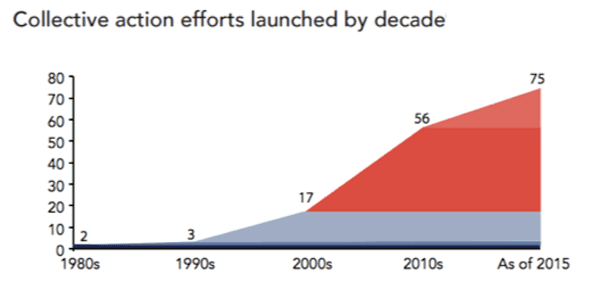
Cultural factors, including gender norms, can have a decisive impact on efforts to build social cohesion in developing countries.

In an era of instant feedback and crowdsourcing, the government misses out when it relies solely on authorized voices.

A new book reminds pessimists that growing numbers of people around the world are wealthier and healthier than ever before.
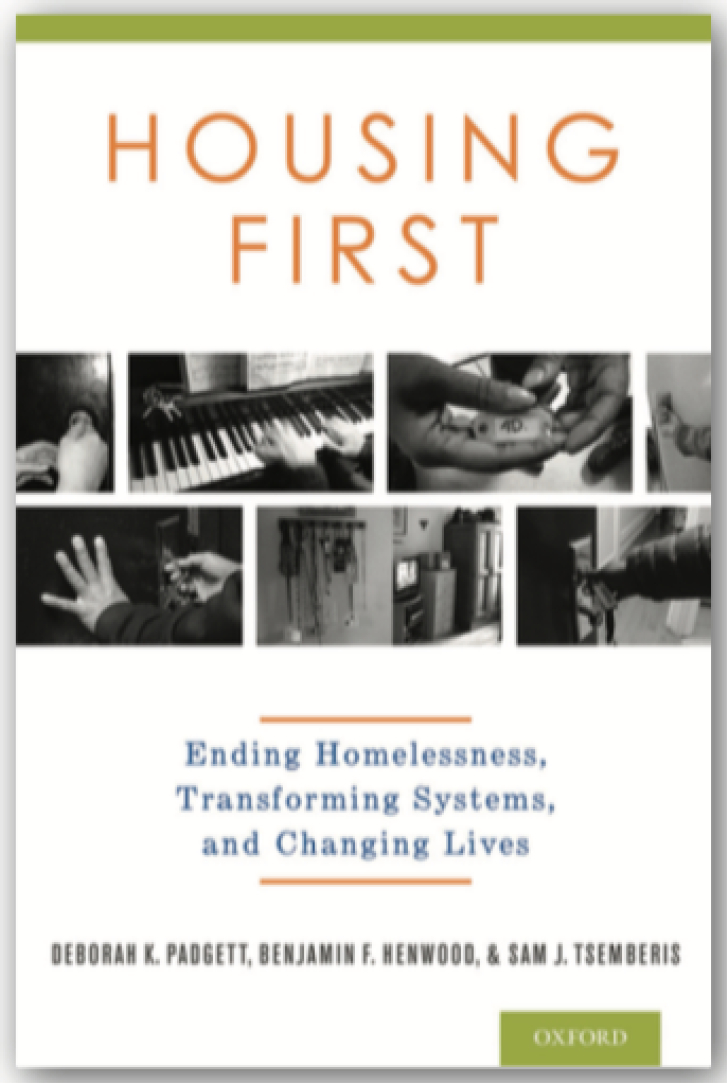
The success of the Housing First movement shows why social service providers must listen to the people they serve.

One of the cities hit hardest by the wave of home foreclosures was Stockton, Calif., a city that later declared bankruptcy.

Substitute the word “impact” for “social performance,” and current debates in the investment community sound exactly like the ones the microfinance industry had 10 years ago. The investor community can learn from microfinance’s successful efforts to set standards for non-financial returns—the “other bottom line.”